
by admin | Oct 30, 2026 | Compensation Law |
You may feel well after an accident and think you are not injured. You might even tell the other driver, your manager, or a paramedic that you are okay. However, a day or two later, you may develop neck pain, back pain or a headache. This can leave you wondering whether it is too late to make a claim. The good news is that symptoms appearing later do not automatically prevent you from making a personal injury claim. Some injuries take hours, days or even weeks to become noticeable. The important thing is to show that someone else was responsible for the accident and that the accident caused your injuries. This guide explains why some injuries appear later, how delayed symptoms can affect a claim, what evidence you may need and which mistakes to avoid. This is general information, not legal advice. Speak to a solicitor for advice about your situation. Why Do Injury Symptoms Sometimes Appear Days Later? It can feel suspicious to be pain-free at the scene and in agony two days later, but it is a well-recognised pattern. There are several reasons for it. Adrenaline masks pain In a stressful moment, your body releases adrenaline and other stress hormones. These can dull pain and give you a burst of energy, so you may feel nothing wrong while the hormones are active. Once they wear off, pain and stiffness often arrive. Soft tissue injuries develop gradually Sprains, strains and bruising often involve inflammation, which builds over time. A muscle or ligament that was stretched or torn in a collision may feel only mildly sore at first, then...
by admin | Oct 5, 2026 | Compensation Law |
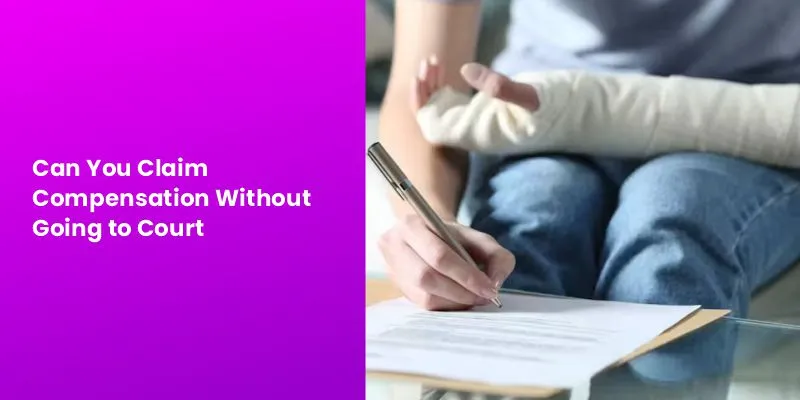
Yes. Many compensation claims resolve without the claimant attending a court hearing, particularly where the parties can agree who was responsible and how much compensation is fair. Court proceedings can still be Can You Claim Compensation Without Going to Court come necessary when the other side disputes liability, disagrees on the value of the claim, or refuses to make a reasonable offer. Making a claim and going to court are two different things. A claim begins when you set out your case against the person or organization you say caused your injury, usually through their insurer. Most of that work happens through correspondence, evidence gathering and negotiation. A judge only becomes involved if someone issues court proceedings, and even then many disputes settle before a trial takes place. Starting a claim does not mean you will stand in front of a judge. Whether a hearing happens depends on the facts, the evidence, the liability position, the value of the claim, and how the other side responds. A solicitor can make this process clearer and more manageable. They can explain each stage, deal with the insurer on your behalf, gather the evidence that supports your case, and advise you on whether an offer reflects your losses. This article covers how compensation claims settle, what happens when an insurer agrees to pay, when court proceedings may be needed, which mistakes can weaken a claim, how time limits work, and how a solicitor can help. It gives general legal information for England and Wales. It does not replace advice on your own circumstances. Can You Claim Compensation Without Going to Court? In...
by admin | Sep 3, 2026 | Compensation Law |
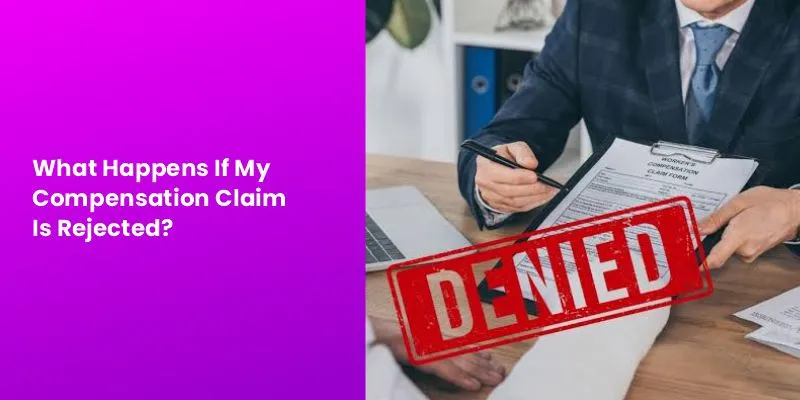
Receiving a rejection letter after making a compensation claim is unsettling. You may have spent months gathering evidence, attending medical appointments, and waiting for a decision, only to be told the claim will not succeed. It is natural to feel that the matter is now closed. It is not always the end of the road. A rejected compensation claim does not automatically mean you have no further options. What matters most is understanding exactly why the claim was rejected, because the reason behind the decision shapes what you can do next. Some rejections relate to disputed liability. Others concern the strength or consistency of the evidence submitted. In some cases, the claim may simply have been made incorrectly, or key deadlines may be approaching. Each of these situations calls for a different response, and treating every rejection as final can mean giving up on a claim that still has merit. This article explains what a rejection actually means, the common reasons compensation claims are refused, the evidence that can strengthen your position, and the deadlines you need to be aware of. It also sets out practical steps you can take and explains when speaking to a solicitor becomes worthwhile. What Does It Mean When a Compensation Claim Is Rejected? A rejected compensation claim means the party responsible for assessing it, usually an insurer, employer, or opposing solicitor, has decided not to accept liability or has declined to make a payment based on the information provided so far. This is not the same as a final legal ruling. An insurer’s rejection is a commercial and legal position taken by one...

by admin | Sep 3, 2026 | Compensation Law |
If you are thinking about making a claim, or you already have one underway, the rules that apply to you may not be the same ones a friend or family member relied on a few years ago. Recent changes to UK compensation law have altered how some claims are valued, how quickly certain cases move through the system, and what claimants can expect from the process. Relying on outdated information can lead to real problems: a claimant might undervalue their case, misunderstand a deadline, or assume a rule still applies when it has since been replaced. At the same time, not everything has changed. Many of the core principles of UK personal injury compensation law, such as the right to claim for injury caused by someone else’s negligence and the standard time limits for bringing a claim, remain firmly in place. Confusing a genuine legal development with a long standing rule is one of the most common mistakes claimants make when researching their position online. This article sets out, in plain English, the most significant recent developments affecting compensation claims in England and Wales, distinguishes them clearly from rules that have not changed, and explains what this means in practical terms if you are pursuing or considering a claim. Whitehall Solicitors has prepared this guide to help claimants approach their case with accurate, current information. What Are the Most Recent Changes to UK Compensation Law? The most significant recent developments include an increase to the personal injury discount rate, a rise in whiplash compensation tariffs, a higher court fee for the Official Injury Claim portal, and a landmark Supreme...

by admin | Apr 29, 2026 | Compensation Law |
Minor Injury Claim: Is It Worth Claiming Compensation Many people who are hurt in accidents never make a claim. Not because they were not entitled to one, but because they told themselves the same thing: “It’s only a minor injury – it’s probably not worth it.” yes, a minor injury can be worth claiming for. If someone else’s negligence caused your injury, you can claim for the pain and the financial losses it caused, however minor it seemed at the time. For soft tissue injuries that recover within a few months, awards are often modest (a few hundred to a few thousand pounds), but lost earnings, treatment and travel costs can add to the total. Whether a solicitor is worth using depends on how and where you were hurt, as explained below. This guide explains exactly what counts as a minor injury in UK law, when you absolutely should speak to a solicitor, what you could be entitled to claim, and why – even for smaller claims – expert legal help from a local personal injury solicitor in Bury often means a far better outcome than going it alone. What Counts as a Minor Injury? A minor injury is one you are expected to recover from fully, or almost fully, within weeks or a few months. Common examples include: Under the UK’s current personal injury framework, minor injuries typically include: Soft tissue injuries – muscle strains, ligament sprains, minor whiplashMinor fractures – small bone breaks that heal without surgeryMinor lacerations and bruisingAnkle and wrist sprainsShort-term back and neck painMild psychological effects such as temporary anxiety following an accident These...
